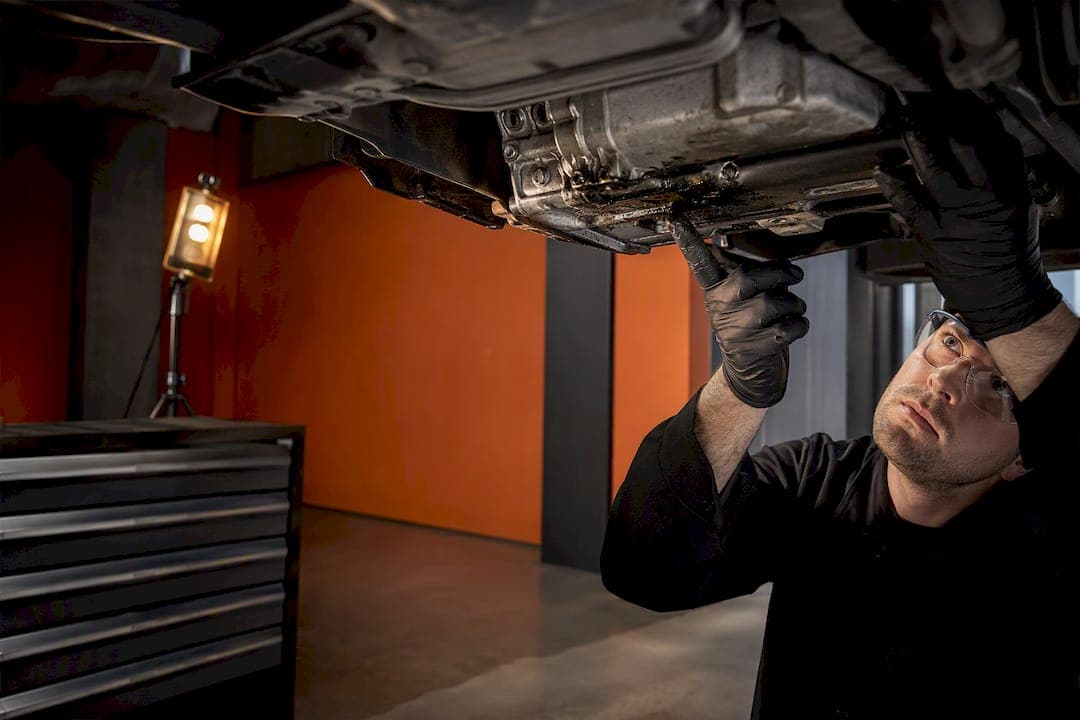
If your car hesitates before shifting, slips out of gear, or smells like burning toast, that's transmission trouble, not something to shrug off until next month. Severe slipping, a loud clunk, a burning smell, or a big red puddle under the car means stop driving and get it towed. Mild hesitation or a strange whine in neutral usually means you can drive carefully to a shop this week. Either way, GarageMap lists vetted local shops so you're not gambling on a stranger's Google reviews at 8 p.m. on a Sunday.
TL;DR:
- Most transmission issues start subtly, with signs like delayed engagement and RPM flare, which can often be fixed with a simple fluid change if caught early.
- Severe symptoms such as burning smells, leaks, or no gear response require immediate towing to prevent costly repairs or total transmission failure.
- Checking fluid condition and level at home can help identify urgent problems, but sealed "lifetime" transmissions still require professional inspection after long-term use.
- Diagnostic tests like fault code reading and road testing are essential for accurate repairs, which can range from a few hundred to several thousand dollars.
- Choosing a specialized transmission shop with clear estimates, warranty terms, and experience with your vehicle type reduces the risk of unnecessary or excessive repairs.
Table of Contents
- Common signs of transmission problems
- Quick checks you can do safely at home
- How urgent is each sign? When to drive, limit driving, or tow
- What a mechanic will do and typical repair-cost ranges
- How to find a trusted transmission shop and what to ask
- What early detection actually saves you
- Compare and book a transmission service through GarageMap
- Sources
Common signs of transmission problems
Transmission trouble rarely shows up as one dramatic failure. It builds through stages, and the earlier you catch it, the cheaper the fix. According to HowStuffWorks, slipping symptoms typically progress from a subtle RPM flare to complete loss of drive, and where your car sits on that scale tells you how urgent the repair really is.
Here's what to watch for, roughly ordered from subtle to severe:
- Delayed engagement. You shift into drive or reverse and there's a pause before the car actually moves. Early-stage sign, common in both automatics and manuals with worn linkage or low fluid.
- RPM flare on upshift. The tachometer jumps briefly, then settles as the next gear catches. This is one of the sneakiest early warnings because it feels almost normal.
- Rough or hard shifting. You feel a thump or jolt between gears instead of a smooth transition. Mid-stage, often tied to worn solenoids or degraded fluid.
- Slipping under acceleration. The engine revs but the car doesn't accelerate at the matching rate. This is the classic mid-to-late-stage symptom people describe as "it feels like it's not pulling."
- Torque converter shudder. A rhythmic vibration at steady highway speeds, usually in the 40 to 60 mph range, that feels distinct from tire or road vibration. Autoupdatezone flags this as a mid-to-late automatic-specific sign.
- Grinding or whining noises. Grinding often points to worn synchros in a manual or a failing bearing; whining in an automatic frequently traces back to low fluid or a struggling pump.
- Clunking in neutral or on shift. Loose mounts or worn universal joints can mimic this, so it's not always the transmission itself, but it's worth flagging to a technician.
- Burning smell. According to AutoZone, a sweet, acrid burning odor near the transmission usually means overheating clutch packs or breaking-down fluid. It's a mid-to-late symptom that needs prompt attention.
- Leaking fluid. A bright red puddle under the car is a strong indicator of a leak, since transmission fluid should never simply burn off on its own, per Consumer Reports.
- Warning lights. A check engine light or dedicated transmission light paired with any of the above symptoms usually means a stored fault code worth reading before you guess.
- No response in gear. The car won't move at all in drive or reverse. Late-stage, and it's the one that ends a road trip.
Quick checks you can do safely at home
Before you call anyone, a few minutes with the hood up can save you time on the phone explaining what's wrong.
- Check the fluid level and colour. With the engine warm and running (check your owner's manual for the exact procedure), pull the transmission dipstick if your car has one. Fresh fluid runs pink to red; dark, rusty, or black fluid with a burnt smell signals it's overdue for service, according to Kelley Blue Book.
- Look for metal flecks or a foamy texture. Either one suggests internal wear or aeration, not just old fluid.
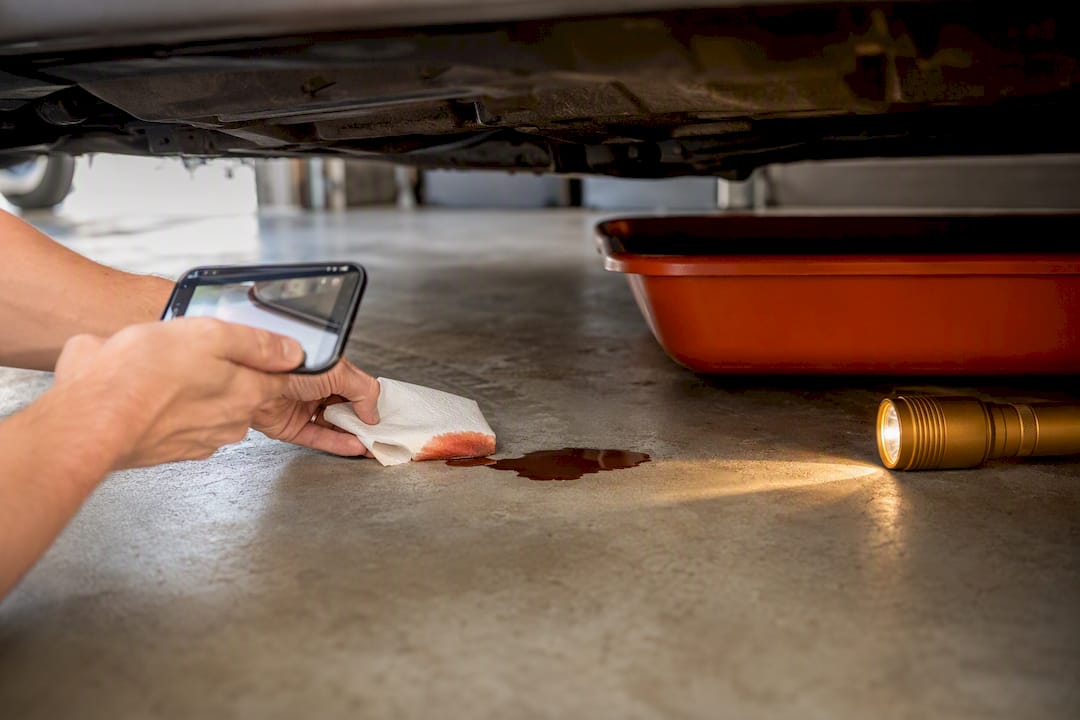
- Inspect for puddles. Bright red spots on the driveway are a leak, not condensation.
- Listen with the windows down. Note whether noises happen in neutral, on acceleration, or only at certain speeds.
Some newer vehicles use a sealed "lifetime" transmission with no dipstick at all. Driving points out that "lifetime" often just means the warranty period, so if you plan to keep the car long term, a shop visit on a lift is the only way to actually check fluid condition.
Pro Tip: Photograph any puddle and, if you can safely dip a paper towel in the fluid, snap that too. Jot down when the symptom happens (cold start, highway speed, which gear) so the shop can skip straight to diagnosis instead of guesswork.
How urgent is each sign? When to drive, limit driving, or tow
Not every symptom carries the same risk, and driving through the wrong one can turn a $200 fix into a $2,000 one.
- Stop and tow now: no movement in gear, a strong burning smell, or a large active leak. Continuing to drive risks overheating the fluid, contaminating it with metal debris, or triggering sudden total failure.
- Drive carefully, straight to a shop: noticeable slipping, torque converter shudder, or grinding noises. Avoid highways and steep grades, and keep the trip short.
- Book service soon, normal driving is fine short term: mild RPM flare, occasional delayed engagement, or a dashboard light with no other symptoms.
A car that's slipping and still gets driven daily for weeks is the single most common way a $600 repair becomes a $5,000 rebuild.
What a mechanic will do and typical repair-cost ranges
A proper diagnosis follows a pattern, not a guess. Per Mister Transmission's service guide, a technician typically will:
- Pull and read transmission-related fault codes with a scan tool.
- Road test the vehicle to feel the shift pattern under load.
- Check fluid condition, colour, and pressure.
- Put the car on a lift to inspect for leaks, worn seals, or damaged lines.
- Test solenoids and valve body function when codes point that way.
Costs swing hard depending on what they find. USA Today reports repairs ranging from roughly $150 for a straightforward fluid service up past $8,000 for a full replacement, with solenoid repairs and clutch pack work landing somewhere in between depending on make, model, and local labour rates.
Cost snapshot: A fluid and filter service often runs a few hundred dollars. Solenoid or valve body repairs land in the low thousands. A full rebuild or replacement can run several thousand and up. Catching a sign early, like RPM flare or a fluid change, almost always costs a fraction of what a rebuild does.
If you're already booking related diagnostic work, engine diagnostics services at a local shop can rule out sensor or electronic causes at the same visit.
How to find a trusted transmission shop and what to ask
GarageMap aggregates and vets shops across Calgary, Airdrie, Chestermere, and Okotoks, and lets you filter by service type instead of scrolling through unrelated listings. That focused search matters more than it sounds. When a symptom points toward the transmission, you want a shop that actually lists transmission diagnostics, not a generic garage that happens to also do brakes.
Before you book, ask:
- What's the diagnostic fee, and does it apply toward the repair if you proceed?
- Is the estimate itemized for parts versus labour?
- What warranty comes with the repair, and how long does it last?
- Have they worked on your specific make and model before?
- What's the realistic turnaround time?
Pro Tip: A shop that hands you a written estimate, shares the actual fault codes they pulled, and explains warranty terms without you asking is usually the shop worth trusting with a $3,000 job.
What early detection actually saves you
The gap between a fluid service and a full rebuild isn't small, and that gap is exactly why the early signs matter more than the dramatic ones. Owners who act on an RPM flare or a slightly off smell almost always spend less than owners who wait for the car to stop moving.
Before calling a shop, jot down:
- The exact symptom
- When it started
- Recent maintenance history
- Fluid colour, with a photo if possible
- Any dashboard codes, if you've had them read
- Where the car is parked, in case it needs a tow
— Andrii
Compare and book a transmission service through GarageMap
GarageMap won't turn a wrench on your transmission, but it will save you the hour you'd otherwise spend cold-calling shops that don't even do this kind of work. The platform lets you filter Calgary, Airdrie, Chestermere, and Okotoks shops specifically by service type, whether that's engine diagnostics, transmission service, or a routine oil change that catches a fluid issue before it becomes a bigger one.
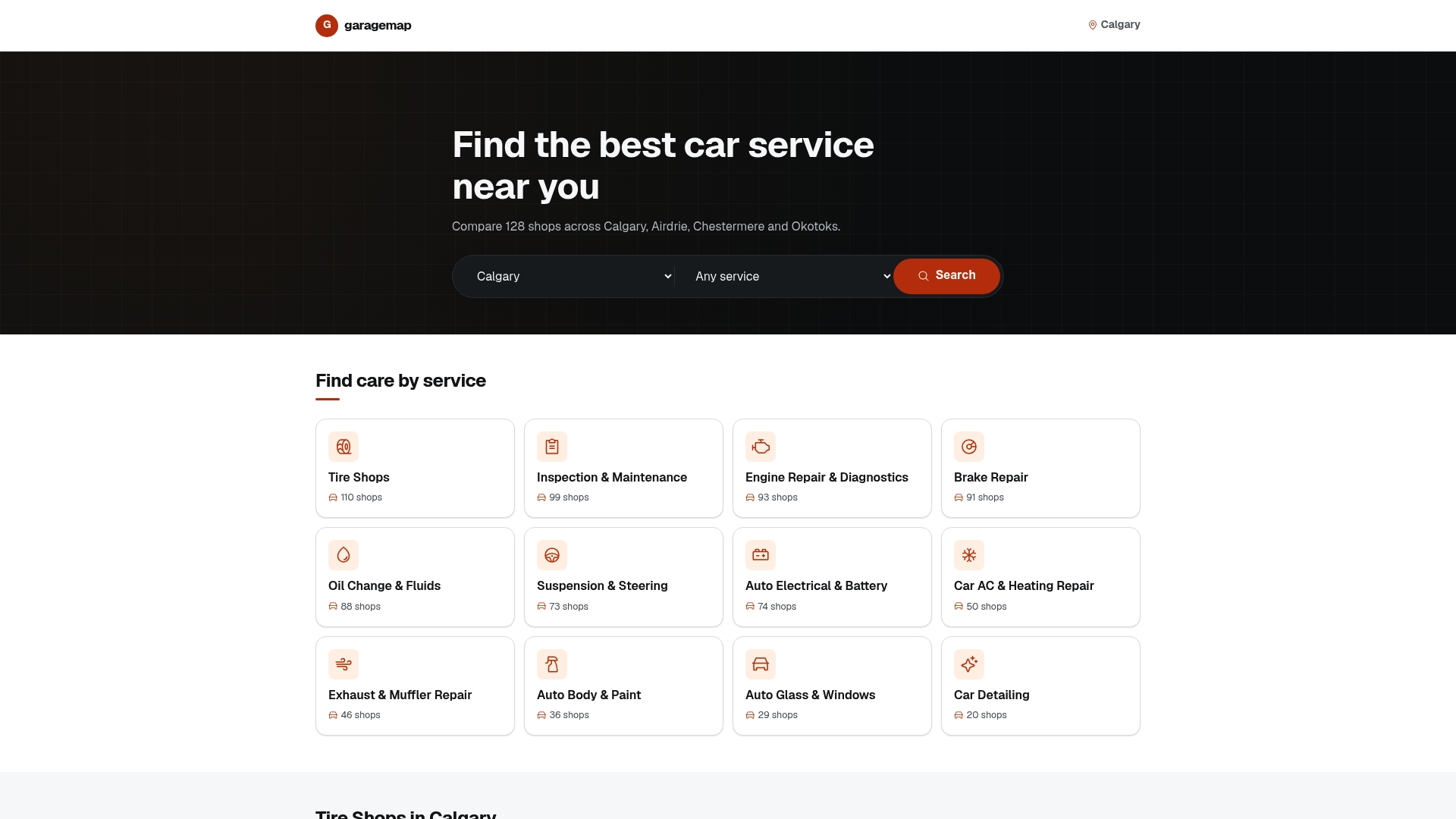
If you're dealing with slipping, a burning smell, or a leak right now, start with the Calgary repair shop directory to compare vetted local options and request an estimate. Drivers in Airdrie can check the Airdrie listings, and those closer to the south end of the region can browse Okotoks shops instead. Pick a shop, request a quote, and get the diagnosis started before a small fix turns into a big one.
Sources
- Maintain your car's transmission and avoid costly repairs - Consumer Reports
- 5 signs of transmission trouble - HowStuffWorks
- When do I need to change my transmission fluid? - KBB
- Transmission service guide: why regular maintenance matters - Mister Transmission